
Description
Red African Grey Parrot for Sale
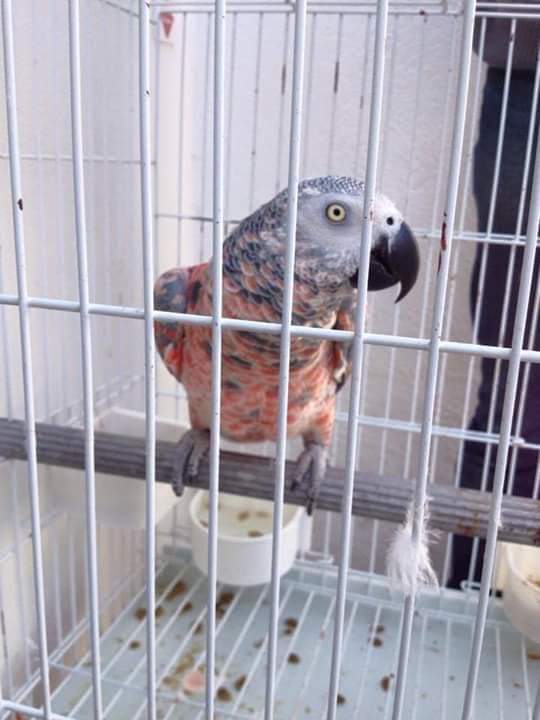
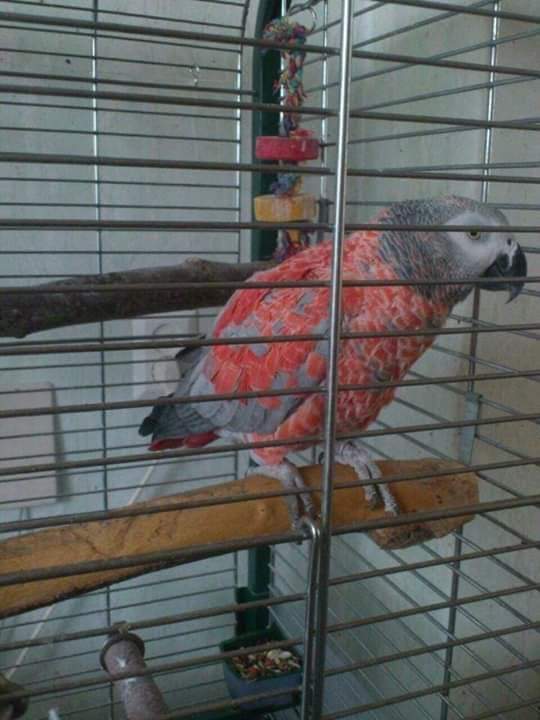
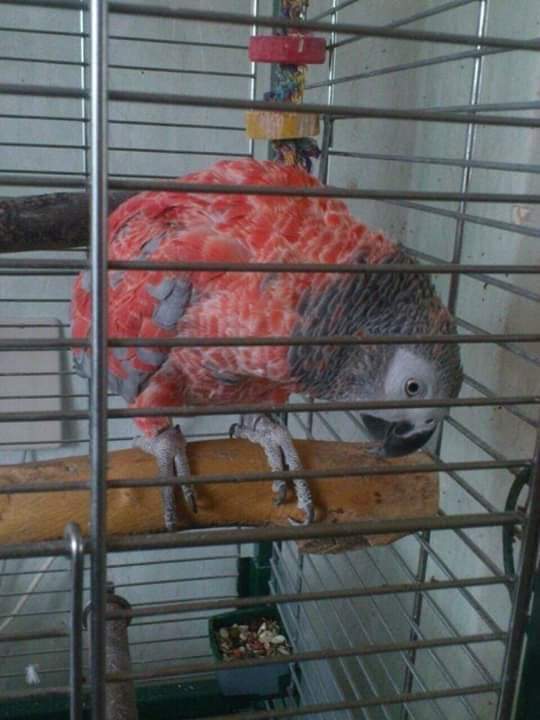
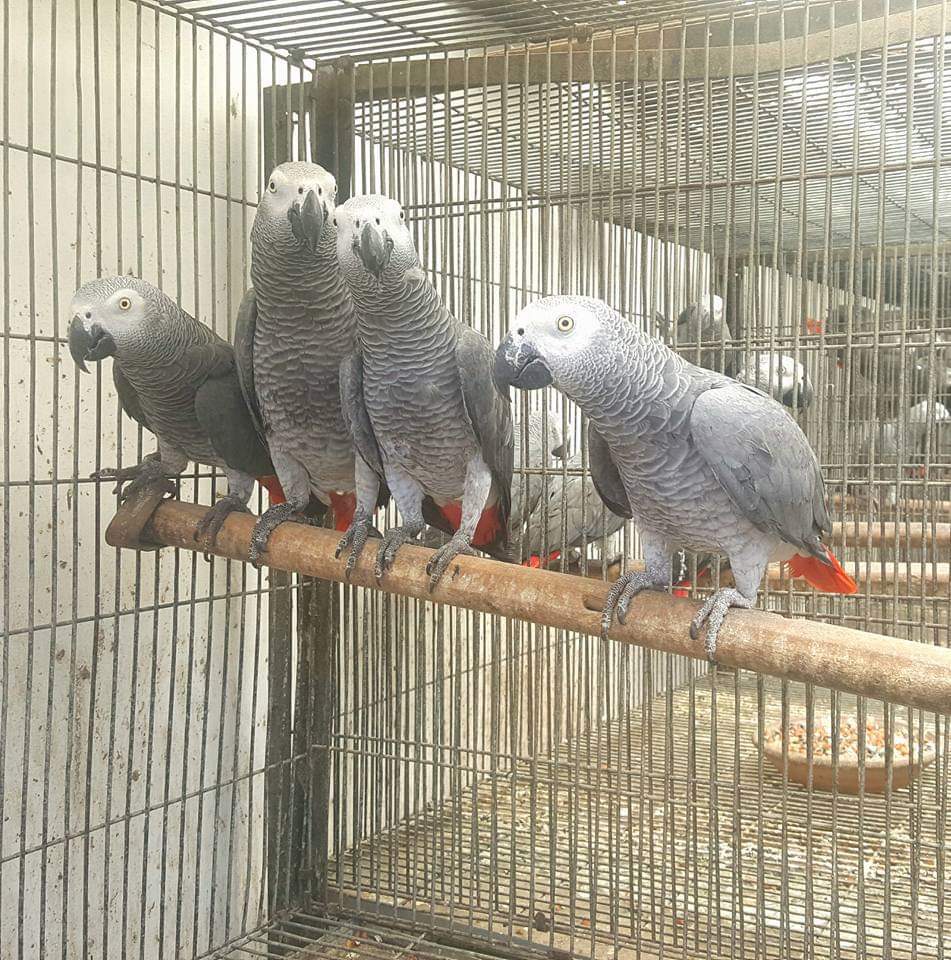
Looking for a red African Grey for sale? The African Grey parrot is one of the world’s most intelligent and talented talking birds, admired for its remarkable ability to mimic human speech, learn sounds, and interact with people. Its distinctive grey plumage, bright orange eyes, and striking red tail make it one of the most recognizable parrots among bird enthusiasts.
At Botan Birds Farm, we understand the appeal of these intelligent and social birds. The Congo African Grey is especially well known for its classic grey feathers and vibrant red tail. Beyond its beautiful appearance, this parrot is valued for its impressive learning ability, curious personality, and potential to develop strong bonds with its caregivers.
If you are considering a red African Grey parrot for sale, it is important to understand the bird’s personality, diet, habitat, and long-term care requirements before making a decision.
The African Grey parrot is one of the most intelligent and talented talking birds in the world, famous for its remarkable ability to mimic human speech and everyday sounds. Its intelligence, social nature, and distinctive appearance have made it a favorite among bird enthusiasts and parrot lovers worldwide.
At Botan Birds Farm, we understand why so many people are interested in finding an African Grey parrot for sale. These remarkable birds are known for their grey plumage, bright orange eyes, and distinctive red tail feathers. Beyond their understated beauty, African Grey parrots are curious, observant, and capable of developing strong bonds with their caregivers.
If you are considering welcoming one of these intelligent birds into your home, learning about its personality, behavior, diet, and care requirements is essential.
Explore Congo African Grey parrot page to learn more.
Native Region and Natural Habitat
African Grey parrots are native to the forests and surrounding habitats of West and Central Africa. Depending on the population, they may be found in tropical rainforests, forest edges, wooded areas, and mangrove habitats.
In the wild, their diet includes fruits, seeds, nuts, and other plant materials. They may also feed on palm fruits and other naturally available foods. Their natural environment provides opportunities for flying, climbing, foraging, and social interaction.
Understanding the natural habitat of the African Grey parrot helps owners appreciate its need for a stimulating environment, a balanced diet, and regular opportunities for physical activity.
For more information, explore our upcoming guide to parrot care and feeding.
African Grey Parrot Personality and Behavior
African Grey parrots are highly intelligent, sensitive, and socially aware birds. Their ability to learn, observe, and respond to their surroundings makes them fascinating companions, but it also means they require consistent attention and thoughtful care.
A well-supported African Grey parrot benefits from daily interaction, positive reinforcement, enrichment activities, and a predictable routine. Without adequate stimulation, these birds may develop unwanted behaviors, including excessive vocalization or feather damage.
Although individual personalities vary, African Grey parrots often form close bonds with their caregivers. Some may be cautious around unfamiliar people, while others become comfortable interacting with several members of a household.
Potential owners should understand that these birds need more than the ability to talk. They require time, patience, mental stimulation, and a long-term commitment to their well-being.
African Grey Parrot Talking Ability and Sounds
One of the main reasons people search for an African Grey talking parrot for sale is its impressive vocal learning ability. African Grey parrots are renowned for mimicking human speech, household sounds, and familiar noises from their environment. talking parrots for sale
Some individuals learn a large vocabulary and use sounds in recognizable contexts. However, talking ability varies from bird to bird, and no parrot is guaranteed to develop a particular vocabulary or speak at a specific age.
African Greys also communicate through whistles, calls, body language, and changes in vocal tone. Learning to recognize these signals can help owners better understand their birds’ needs and emotional states.
Consistent, gentle interaction and positive reinforcement can encourage vocal learning while helping build trust between a parrot and its caregiver. Baby African Grey for sale
African Grey Parrot Diet and Feeding
A balanced diet is essential for maintaining the health of an African Grey parrot. In captivity, a suitable diet generally includes a high-quality formulated parrot pellet, a variety of bird-safe vegetables, and appropriate portions of fruit.
African Grey parrots are particularly vulnerable to nutritional problems when fed an unbalanced diet, especially one based largely on seeds. Calcium and vitamin deficiencies can occur, so proper nutrition and appropriate veterinary guidance are important.
Fresh drinking water should always be available. Avoid foods that are toxic to parrots, including avocado, chocolate, caffeine, and alcohol.
Because nutritional needs can vary with age, health, and reproductive status, consult an avian veterinarian for an appropriate feeding plan.
African Grey Parrot Health and Common Conditions
Although African Grey parrots can live for many years with proper care, they are susceptible to several health problems. Responsible ownership includes providing a balanced diet, a clean environment, suitable enrichment, and regular veterinary checkups.
Potential health concerns include:
Calcium deficiency: Inadequate calcium intake or imbalances in nutrition may contribute to bone and neurological problems.
Vitamin deficiencies: Poorly balanced diets can lead to deficiencies involving vitamins such as A and D.
Feather-damaging behavior: Stress, insufficient enrichment, medical conditions, or other factors can contribute to feather plucking.
Respiratory infections: Exposure to pathogens, irritants, or poor environmental conditions can affect respiratory health.
Psittacosis: This infectious disease can affect birds and may also be transmitted to humans.
Beak and feather disease: Psittacine beak and feather disease is a viral condition that can cause feather abnormalities and beak problems.
- Changes in appetite, droppings, breathing, activity, or feather condition should be evaluated promptly by an avian veterinarian. Early assessment can help identify health concerns before they become more serious.
- Is an African Grey Parrot Right for You?
- An African Grey parrot may be a suitable companion for someone who has the time, patience, resources, and willingness to meet its complex needs. These birds benefit from daily interaction, mental challenges, a spacious and secure enclosure, and opportunities to exercise.
- Before choosing an African Grey parrot, consider its long lifespan, potential noise, specialized veterinary needs, and ongoing care expenses. It is also important to verify the bird’s health, origin, legal documentation, and suitability for your household.
- If you are looking for a Congo African Grey parrot for sale, visit our African Grey for sale to explore further details.
- At Botan Birds Farm, our goal is to help prospective parrot owners make informed decisions and understand the responsibility involved in caring for these intelligent birds. Timneh African Grey for sale
Reviews
There are no reviews yet.